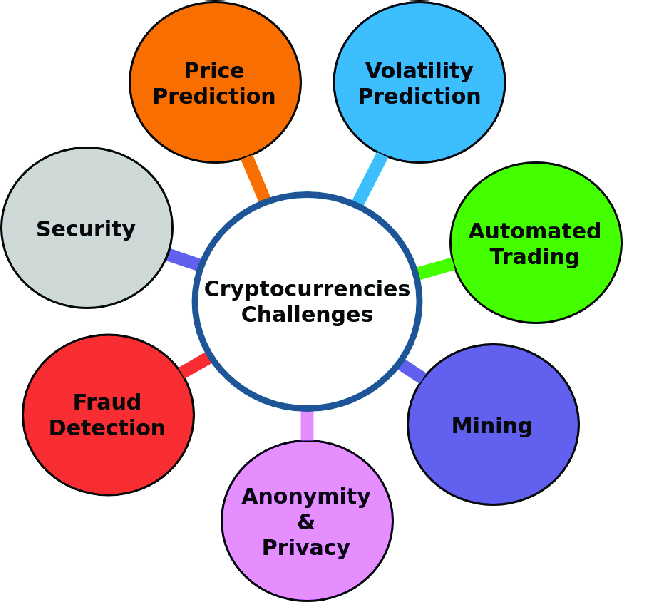
Introduction: The Paradox of Modern Digital Wealth
Cryptocurrency has evolved from a niche concept championed by tech idealists into a global financial force influencing banks, governments, and investors across the world. What began as an experiment in decentralized value has become a multi-trillion-dollar ecosystem populated by institutions, hedge funds, sovereign strategies, and everyday users searching for financial freedom.
Crypto’s promise is powerful: borderless money, decentralized ownership, transparent transactions, and digital wealth accessible to anyone. But behind that promise lies a set of weaknesses, risks, and vulnerabilities often ignored by enthusiastic narratives.
This article offers an in-depth CEO-level review of the real weaknesses of cryptocurrency, exploring systemic flaws, market hazards, human vulnerabilities, and structural limitations that shape its long-term sustainability.
1. Volatility: Crypto’s Most Fundamental Weakness
The Unpredictable Nature of Digital Value
Price volatility is the most visible and persistent weakness in the crypto ecosystem. Bitcoin, Ethereum, and major altcoins have experienced dramatic price swings within hours—unmatched by traditional financial assets.
For CEOs, investors, and institutions, volatility creates operational challenges:
- Unpredictable portfolio valuation
- Unacceptable risk exposure for treasury management
- Instability in long-term planning
- Difficulty integrating crypto into payment systems
Why Crypto Is Naturally Volatile
- Speculation Dominates Real Use
Most crypto demand is speculative, not utility-driven. This amplifies emotional trading. - Low Liquidity Compared to Traditional Markets
Even major tokens are tiny compared to forex or equities. - Market Manipulation Is Easier
Whales, coordinated groups, and exchanges can influence prices. - No Central Stabilizing Authority
Unlike fiat currencies, crypto has no central bank to manage inflation or shocks.
Impact on Adoption
While crypto’s decentralized nature is appealing, its volatility limits:
- corporate adoption,
- employee payroll integration,
- stable long-term investment strategies,
- and the overall trust of traditional markets.
Volatility remains, and for now, will continue to be crypto’s default behavior.
2. Security Weaknesses Beneath the Surface
Crypto enthusiasts often claim cryptocurrency is “perfectly secure,” but this is misleading. The blockchain itself might be secure, but everything around it isn’t.
Major Forms of Real-World Crypto Security Weaknesses
1. Exchange Hacks
Billions of dollars have been stolen from exchanges because they hold private keys on behalf of users.
Examples include:
- Mt. Gox (850,000 BTC lost)
- Coincheck ($530M hack)
- FTX collapse exposing security mismanagement
Exchanges remain the largest single point of failure in the crypto world.
2. Smart Contract Vulnerabilities
Some weaknesses come from:
- unverified code
- insufficient audits
- logic bugs
- delayed updates
- reliance on oracles
A single line of faulty code can lead to millions lost.
3. Private Key Loss
If you lose your private key—not even the blockchain creators can help you. As a result:
- Over 20% of all Bitcoin is estimated lost forever.
- Many users lock themselves out of their own funds.
Crypto offers ultimate control, but also ultimate responsibility.
4. Phishing and Social Engineering
Most crypto theft is not due to technology—but people.
Hackers exploit:
- fake wallets
- malicious airdrops
- impersonation
- phishing websites
- DM scams
Even the most advanced crypto user can be tricked.
3. Lack of Regulation: Both Strength and Weakness
Crypto’s decentralized nature eliminates middlemen—but creates regulatory uncertainty that slows adoption and introduces significant risk.
Why Regulation Is a Double-Edged Sword
Advantages of Lack of Regulation
- Freedom to innovate
- Faster development cycles
- Borderless financial movement
Disadvantages
- Increased scams
- No legal recourse when funds are stolen
- Fraudulent projects flourish
- DeFi vulnerabilities go unchecked
- Institutional adoption stalls
Impact on Business and Institutional Investors
Organizations must navigate:
- tax ambiguity
- compliance complexity
- reporting challenges
- unpredictable government responses
For CEOs, unclear regulations make crypto a risky asset on corporate balance sheets.
4. Human Error: Crypto’s Most Underestimated Weakness
Even the best technology collapses when users make mistakes.
Examples of Human Weaknesses in Crypto
- sending coins to the wrong address
- signing malicious smart contracts
- trusting fake support teams
- storing private keys improperly
- buying hype-driven tokens
- falling for pump-and-dump schemes
Crypto removes intermediaries but also removes safeguards.
One wrong click, and funds disappear forever.
The Harsh Truth
Crypto is only as strong as the user operating it.
5. Complexity: Crypto Is Still Too Hard for the Average Person
Despite years of development, crypto remains intimidating for most people.
The average user struggles with:
- private keys
- seed phrases
- gas fees
- wallets
- cross-chain transfers
- staking
- liquidity pools
- yield farming
- bridging assets
This complexity limits mass adoption.
Why Simplicity Is Critical
Financial products must be:
- intuitive
- safe
- predictable
Crypto, in its current form, is none of these.
6. Environmental Concerns and Energy Consumption
While proof-of-stake has reduced energy usage, many major cryptocurrencies (especially Bitcoin) still require:
- massive electricity consumption
- large mining farms
- specialized hardware
The Environmental Debate
Critics argue:
- mining contributes to carbon emissions
- hardware waste is rising
- energy redirection affects local economies
Supporters claim:
- renewable mining is growing
- mining stabilizes energy grids
- PoS solutions reduce future impact
The truth: environmental concerns remain a major reputational obstacle.
7. Scams, Rug Pulls, and Fraud: The Wild West Problem
Crypto’s biggest weakness is not technology, but exploitation.
Common Types of Crypto Scams
- rug pulls
- pump-and-dump schemes
- fake exchanges
- token impersonations
- phishing
- fake giveaways
- Ponzi staking platforms
Billions are lost annually because decentralized money comes with decentralized risks.
Why Crypto Breeds Scams
- no regulation
- anonymous teams
- no accountability
- rapid hype cycles
- lack of investor education
Until safeguards improve, scams will remain a structural weakness.
8. Limited Real-World Utility
Despite huge hype, crypto still struggles with real-world adoption:
- few merchants accept it
- payment speed depends on network congestion
- gas fees make small payments impractical
- complex user experience slows onboarding
- volatility makes it unreliable as currency
Most crypto usage today is still investment—not practical use.
9. Liquidity Issues Across Many Tokens
Thousands of cryptocurrencies have extremely low liquidity.
This leads to:
- slippage
- price manipulation
- difficulty exiting positions
- unreliable price discovery
Only a handful of tokens have stable liquidity.
The rest are risky and unstable.
10. Centralization Risks Despite “Decentralization” Claims
Crypto markets are supposed to be decentralized, but in reality:
- most tokens are controlled by small groups of whales
- exchanges run the ecosystem
- stablecoins are managed by centralized authorities
- DAOs can be manipulated through voting concentration
Crypto is often decentralized in name, centralized in practice.
Conclusion: The Future of Crypto Depends on Solving These Weaknesses
Cryptocurrency is one of the most transformative technologies of our era—but it is far from perfect.
Its weaknesses are real, persistent, and structural.
Key weaknesses include:
- extreme volatility
- security vulnerabilities
- regulatory uncertainty
- human error
- complexity
- scams
- limited real-world usage
- liquidity risks
- hidden centralization
Yet, crypto continues to grow. Why?
Because despite its weaknesses, the potential is undeniable:
- decentralized wealth
- borderless finance
- programmable money
- massive innovation in blockchain
- new financial models like DeFi, NFTs, and Web3
Crypto will not disappear—but it must evolve.
The winners of the future will be:
- projects that reduce complexity
- systems that prioritize security
- platforms that embrace clarity and compliance
- solutions that focus on real-world utility
Crypto is powerful not because it is perfect, but because the world is hungry for alternatives.
And the next generation of digital wealth will belong to those who understand both its strengths—and its hidden weaknesses.




Tinggalkan Balasan